

Minor injuries are a common part of everyday life. Whether caused by household accidents, workplace incidents, sports activities, or simple missteps, these situations often require medical attention that is timely yet not life threatening. Many individuals struggle to decide where to go when injuries occur, especially when symptoms cause discomfort but do not appear severe enough for emergency services. Choosing the right healthcare setting plays a critical role in recovery, cost management, and overall patient experience.
Urgent Care facilities have become an essential healthcare option for individuals seeking immediate treatment for minor injuries without the long delays associated with hospital emergency departments. These centers bridge the gap between primary care offices and emergency rooms by offering accessible medical services designed for prompt evaluation and treatment. Understanding the benefits of selecting urgent care for minor injuries helps patients receive proper medical attention while maintaining convenience, affordability, and peace of mind.
Faster Access to Medical Treatment
Time is often the most important factor when dealing with injuries. Even minor conditions such as sprains, small fractures, or cuts can worsen when treatment is delayed. Traditional emergency departments prioritize critical cases, which means patients with less severe injuries may spend hours waiting before being seen by a provider. This waiting period can increase discomfort and anxiety while delaying necessary treatment.
Medical centers focused on non emergency injuries operate with efficiency in mind. Patients typically experience shorter wait times because services are structured around walk in visits rather than emergency triage systems. Quick access allows healthcare professionals to assess injuries promptly, perform examinations, and begin treatment without unnecessary delays.
Immediate care also reduces uncertainty. Individuals receive answers regarding the severity of their injury sooner, helping them understand whether rest, medication, or further monitoring is required. Faster evaluation contributes to better outcomes and allows patients to resume normal routines with greater confidence.

Cost Effective Alternative to Emergency Room Visits
Healthcare affordability remains a major concern for individuals and families. Emergency room services often involve high facility charges due to specialized equipment, staffing requirements, and the readiness to manage life threatening situations at all times. For patients experiencing minor injuries, these costs may feel excessive compared to the level of treatment needed.
Choosing urgent care services provides a practical financial alternative. Treatment for minor fractures, burns, or lacerations typically costs far less than comparable emergency room visits. Insurance providers frequently encourage patients to seek care in appropriate medical settings because doing so helps reduce unnecessary healthcare spending.
Lower costs do not compromise the quality of treatment received. Patients still undergo professional examinations and receive medically sound treatment plans designed to promote safe recovery. Financial accessibility encourages individuals to seek treatment early rather than postponing care due to concerns about expenses.
Convenient Walk In Availability
Accidents rarely occur during convenient hours. Many injuries happen after work, during weekends, or while engaging in recreational activities outside traditional clinic schedules. Waiting several days for a primary care appointment can allow symptoms to worsen, potentially extending recovery time.
Urgent care centers address this challenge through extended operating hours and walk in availability. Patients can seek treatment when injuries occur rather than rearranging schedules or enduring prolonged discomfort. Evening and weekend accessibility provides reassurance that medical help is available when needed most.
Convenience also improves healthcare decision making. When treatment is easily accessible, individuals are less likely to ignore symptoms or attempt self treatment that may not be appropriate. Accessible care promotes earlier intervention, which supports faster healing and reduces complications associated with untreated injuries.
Comprehensive Treatment for Common Minor Injuries
Many individuals are surprised by the range of conditions treated in urgent care facilities. These medical centers are equipped to manage a wide variety of injuries that require professional attention but do not pose immediate threats to life or limb. Common conditions include sprains, strains, minor fractures, cuts requiring stitches, mild burns, and sports related injuries.
Healthcare providers conduct detailed assessments to determine injury severity. Diagnostic tools such as imaging services may be used to confirm fractures or evaluate soft tissue damage. Accurate diagnosis ensures treatment plans address the underlying problem rather than only relieving symptoms temporarily.
Treatment may include wound cleaning, splint application, pain management guidance, and recommendations for follow up care. Providing multiple services in one location simplifies the patient experience and eliminates the need for referrals to multiple facilities for routine injuries.
Supporting Reduced Emergency Room Overcrowding
Emergency departments play a vital role in managing serious medical conditions, yet overcrowding remains a widespread challenge across healthcare systems. When patients seek hospital treatment for minor injuries, medical staff must divide attention between urgent and non urgent cases, increasing wait times for everyone involved.
Choosing urgent care facilities for appropriate conditions helps improve healthcare efficiency within communities. Directing non life threatening injuries to specialized centers allows emergency departments to focus resources on critical cases requiring immediate intervention.
This balanced distribution benefits patients at every level. Individuals with minor injuries receive faster treatment in dedicated environments, while emergency medical teams maintain readiness for severe emergencies. Responsible healthcare choices contribute to a more effective system that serves entire communities.
Access to Skilled Medical Professionals
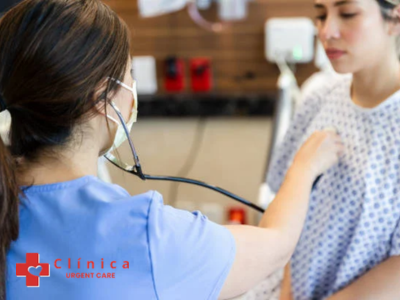
Some patients hesitate to visit urgent care facilities due to misconceptions about medical expertise. In reality, these centers employ experienced physicians, nurse practitioners, and trained healthcare professionals capable of diagnosing and treating numerous injury types.
Medical providers follow established clinical protocols when evaluating patients. Care teams review symptoms, assess injury mechanisms, and determine the most appropriate course of treatment. When injuries require specialized attention or hospital care, providers coordinate referrals to ensure continuity of treatment.
Professional oversight ensures injuries are handled correctly from the beginning. Early identification of fractures, infections, or ligament damage reduces the likelihood of complications that could develop without medical evaluation. Skilled medical attention promotes safe recovery and long term wellness.
Improved Recovery Through Early Intervention
Prompt treatment significantly influences healing outcomes. Minor injuries that are addressed quickly tend to heal more efficiently than those left untreated. Swelling, inflammation, or infection risks increase when injuries are ignored or improperly managed.
Urgent care providers focus on stabilizing injuries immediately while offering practical recovery guidance. Patients receive instructions regarding rest, activity limitations, medication usage, and follow up care designed to support healing. These recommendations help individuals avoid actions that could aggravate injuries.
Early intervention reduces downtime and allows patients to return to daily responsibilities sooner. Effective treatment minimizes the risk of recurring pain or mobility issues that can develop when injuries are not managed appropriately during early stages.
Ideal Healthcare Option for Families and Active Lifestyles
Families, athletes, and active individuals often face higher risks of minor injuries due to physical activity and busy routines. Children participating in sports, adults maintaining active lifestyles, or workers performing physical tasks frequently require quick medical evaluations following accidents.
Urgent care settings provide reassurance for parents and individuals seeking immediate answers without hospital level delays. Children can receive prompt treatment for playground injuries, while athletes benefit from evaluations that determine safe timelines for returning to activity.
Accessible medical care supports proactive health management. Rather than postponing treatment due to inconvenience, individuals can address injuries early and reduce the chances of long term complications. Reliable access encourages responsible healthcare habits across all age groups.
Comfortable and Patient Focused Environment
Another advantage of urgent care centers lies in the patient experience itself. Hospital emergency rooms often operate under high stress conditions due to the severity of cases being managed. This environment can feel overwhelming for patients dealing with relatively minor injuries.
Urgent care facilities typically provide calmer, more patient focused settings designed for efficiency and comfort. Shorter visits reduce emotional stress while allowing medical providers to focus attention on patient concerns. Clear communication regarding diagnosis and treatment helps individuals feel confident in their recovery plan.
A supportive environment contributes positively to overall healthcare satisfaction. Patients are more likely to seek future care promptly when prior experiences are convenient, respectful, and effective. Positive medical interactions strengthen trust between patients and healthcare providers.
Conclusion
Minor injuries require timely evaluation and professional treatment to ensure safe recovery and prevent unnecessary complications. Choosing the appropriate healthcare setting can significantly influence wait times, medical expenses, and overall patient comfort. Urgent care centers provide accessible treatment, experienced medical professionals, and efficient services designed specifically for non life threatening injuries. From faster access and affordable care to comprehensive treatment options and improved recovery outcomes, these facilities offer practical solutions for everyday medical needs.
For residents seeking dependable treatment for minor injuries, Clinica Urgent Care proudly serves the Chicago community with efficient and compassionate healthcare services. Their dedicated medical team focuses on delivering prompt evaluations and personalized treatment plans in a comfortable environment. Patients can receive timely care without unnecessary delays by contacting Clinica Urgent Care in Chicago at (630) 270-3630 for professional medical assistance when it matters most.